Oceania
māhū (Tahiti)
Also written mahu, mahu vahine
Mā'ohi (Tahitian)Tahiti, French Polynesia
Living traditionColonial record
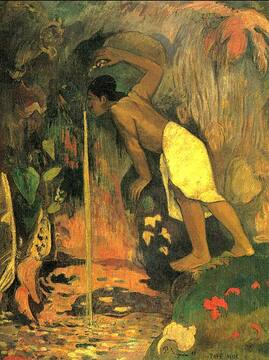

“the traditional identity of māhū, which means “in the middle,””
newlinesmag.com
In brief A long-standing Tahitian gender role for people who live between man and woman. They often dress in men's clothes and keep their given names while taking on women's work and community roles.
Keep in mind: The first published European description is in Captain Bligh's 1789 Bounty log. Missionary and French colonial laws later punished māhū, so early records come from an outsider's view.